Replacing a roof is one of the most consequential home investments most people make. The material you choose determines longevity, maintenance, energy performance, curb appeal, and the kind of contractor you should hire. Having worked with roofing crews and homeowners across humid coastal towns, cold inland valleys, and wildfire-prone foothills, I’ve seen which materials consistently succeed and which deliver surprises. This article walks through the roof replacement materials roofing companies recommend, why they recommend them, and the practical trade-offs you should weigh when hiring a roofing roofing contractor company contractor or searching for the best roofing company for your job.
Why material choice matters A roof is not just shingles over rafters. It is an assembly: underlayment, flashings, vents, and the covering itself. The covering sets the schedule for maintenance and replacement, affects insurance and resale value, and determines the skills your roofing contractors must bring. A cheaper upfront material can cost you more over decades if it degrades in your climate or if installers cut corners because the product is hard to work with. Conversely, a premium material can underperform if the crew lacks experience with its peculiarities.
How roofing professionals evaluate materials When a reputable roofing company evaluates materials, they consider climate exposure, roof slope, local building codes, weight limits of the structure, historical architecture, and homeowner priorities like energy savings, aesthetics, and budget. They also consider availability and warranty terms. A roofer in hurricane country will treat wind uplift and fastener type as nonnegotiable. A roofer in a wildfire zone focuses on ember resistance and noncombustible coverings. That practical lens is why experienced roofers often recommend different materials for otherwise similar houses.
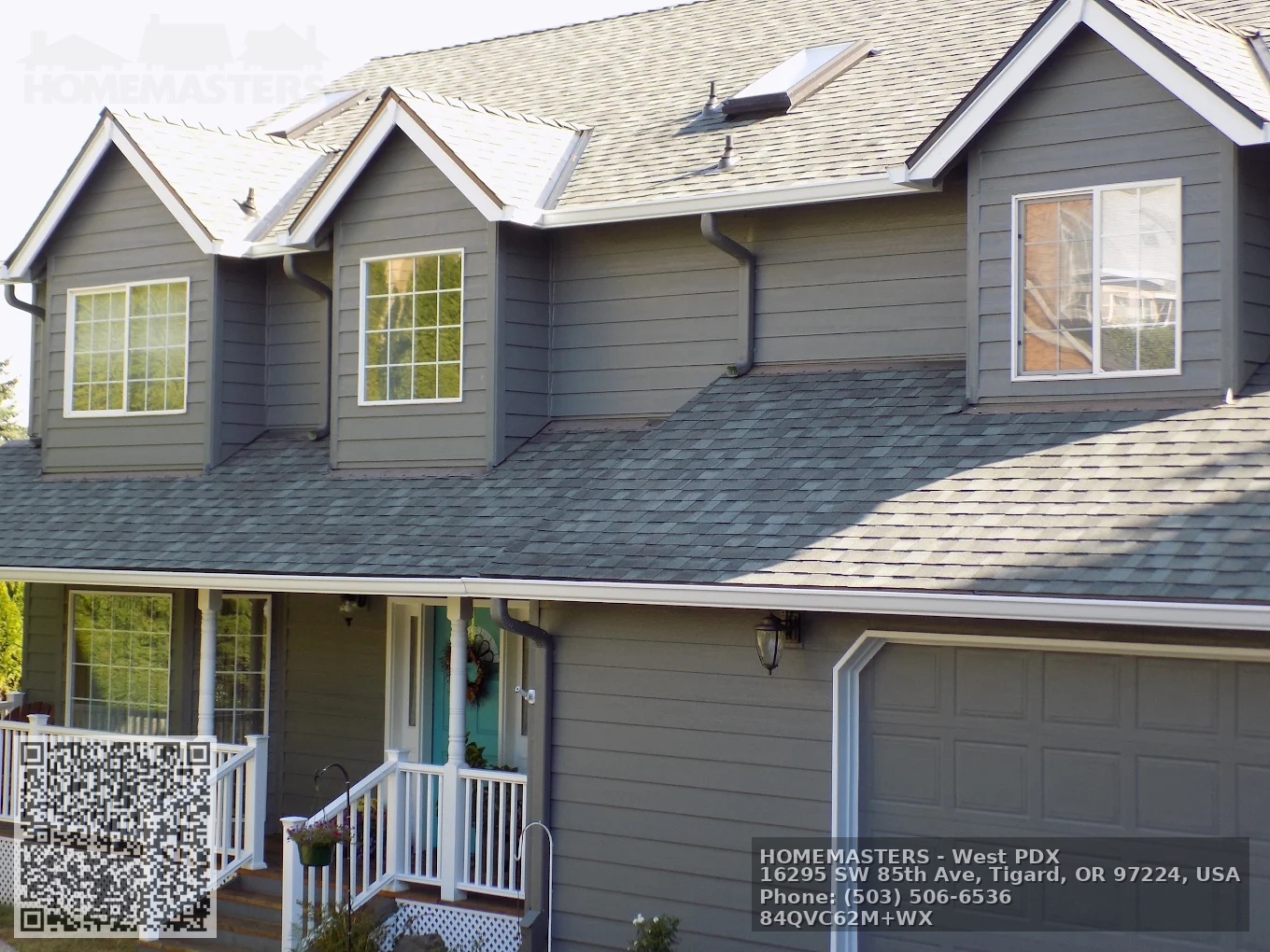
Asphalt shingles: versatile, affordable, and widely used Asphalt shingles remain the most common roof covering in North America. They work for steep-slope roofs, they install quickly, and they have predictable price ranges. Architecturally, they mimic the look of individual tiles with a layered appearance, while 3-tab asphalt offers a flatter, uniform look and is the less expensive option.
Performance and lifespan Standard 3-tab asphalt typically lasts 15 to 20 years in moderate climates. Architectural, laminated asphalt shingles often last 25 to 30 years when installed properly and when ventilation is adequate. Professional installation, including high-quality underlayment and proper ridge ventilation, is vital. On a ventilated attic with good insulation, an architectural asphalt roof delivers reliable performance.
Costs and common issues Asphalt is budget friendly, and many roofing contractors stock the common varieties. Problems arise when cheap shingles are installed over multiple layers, when nail patterns are incorrect, or when underlayment is neglected. Wind-driven edge blow-offs are a frequent warranty claim in coastal and plains regions. Another common issue is granule loss on north-facing slopes that stay shaded and damp.
Best use cases Asphalt is an efficient choice for homeowners who want reasonable longevity at a reasonable cost, and for those looking to hire local roofers or a “roofing contractor near me” with straightforward installation needs. If you plan to sell in the short term, it provides great curb appeal for its price.
Metal roofing: durability, light weight, and energy performance Metal roofing covers a wide range of materials and profiles: coated steel panels, aluminum standing seam, and metal shingles that mimic other materials. Roofers value metal for its longevity and resistance to wind, rot, and insects.
Performance and lifespan A quality metal roof can last 40 to 70 years. Coatings and paint systems matter. Galvalume steel with a robust paint finish resists corrosion and holds color longer than cheaper coated products. Aluminum is corrosion resistant and preferred near saltwater. Proper expansion-contraction detailing and fastener selection are essential to avoid noise or movement complaints.
Costs and trade-offs Upfront cost is higher than asphalt, often two to three times per square depending on profile and gauge. Installation is more technical. Not every contractor has experience with standing seam vertical panels, so hiring a roofer with demonstrated metal roofing projects is important. Metal can dent from large hail in some climates, and fastening details are more critical on steep slopes where water shedding is rapid.
Energy advantages and warranty Reflective metal finishes lower attic temperatures and reduce cooling costs in hot climates. Many manufacturers offer long paint warranties, but warranty claims hinge on proper installation. Ask your roofing company for examples of similar installs and for maintenance requirements such as periodic inspections of sealants and fasteners.
Clay and concrete tile: longevity with weight and complexity Tile roofs, whether clay or concrete, evoke regional styles and can last many decades. Clay maintains color and resists UV fading, while concrete offers more color options and lower cost.
Structural considerations Tiles are heavy. A tile roof can weigh three to five times more than an asphalt roof. Before replacement, structural engineers often need to verify roof framing and possibly reinforce rafters or trusses. Roofing contractors experienced with tile will plan for underlayment that resists water under tiles and for proper mortar or clip attachments, depending on local practice.
Longevity and maintenance Installations often last 50 years or longer when flashings and underlayment are maintained. Tiles themselves are durable; problems usually come from cracked tiles after foot traffic, underlayment failures, or poor flashing details around chimneys and valleys. Tile can be tricky in freeze-thaw climates unless the product is rated for that exposure.
Aesthetic and resale value Tile delivers high curb appeal and can be a strong selling point in Mediterranean or Spanish Revival neighborhoods. However, replacement or repair requires roofers who work on tiles regularly. Ask a prospective roofing contractor for references and photos of similar tile projects.
Slate: premium, low maintenance, high cost Natural slate is among the longest-lived roofing materials, with properly installed roofs lasting 75 to 200 years. Its beauty and longevity come at a premium and require meticulous installation.
Installation and skill requirements Slate roofs require specialty cutters, precise flashing work, and careful attention to underlayment and fastening. Slate is heavy, so structural checks are necessary. Because of these demands, only certain roofing contractors take slate jobs, and bids vary significantly depending on crew experience.
Long-term value Slate performs for generations with minimal maintenance. For historic homes, slate can be a faithful match for original material. The cost per square is high, but when amortized over a century, slate becomes competitive on life-cycle costs. Verify that the roofing contractor offers long-term references and that the slate source is reputable.
Wood shakes and shingles: warmth and maintenance realities Wood shingles and shakes deliver a textured, natural aesthetic favored in certain architectural styles. Shakes are hand-split and thicker than sawn shingles, giving a rougher look and more shadow depth.
Durability and risks Wood is combustible unless treated. Many localities restrict use or require treated products in fire-prone areas. Without treatment or in humid climates, wood needs regular maintenance to prevent rot and moss growth. Lifespans vary: 20 to 30 years for shingles, 30 to 40 for shakes in dry, ventilated climates.
Practical considerations Roofers who install wood must consider ventilation, routine inspections, and sometimes chemical treatments for fire resistance or mildew control. If you appreciate the look but live in a humid or wildfire-prone area, discuss synthetic alternatives with a roofing contractor.
Synthetic and composite roofing: engineered alternatives Composite products mimic slate, shake, or tile using polymers, rubber, and fiber mixes. They offer reduced weight, lower maintenance, and a growing set of color and profile options.
Performance and warranties Good composites carry long warranties and resist cracking, rot, and insect damage. They are lighter than slate and tile, reducing structural concerns. Because they are manufactured, quality varies. Roofing companies prefer products with proven track records and third-party approvals.
Cost-benefit Composite roofs fall between asphalt and premium natural materials in price. They are attractive when you want the look of slate or shake without the weight or maintenance, especially if your roofing contractor has experience with the panels or tiles' fastening systems.
Emerging options: solar tiles and green roofs Solar roof tiles and integrated photovoltaic shingles blur the line between roofing and energy generation. Green roofs with vegetative layers appear more on low-slope commercial buildings but occasionally on residential flat roofs.
Real-world considerations Solar tiles look promising for homeowners intent on long-term energy savings, but installation requires electrical contractors and roofing contractors to coordinate closely. Upfront costs are high and payback depends on local electricity rates, incentives, and roof orientation. Green roofs add insulation and stormwater benefits but require careful design of drainage, root barriers, and structural capacity.
How roofing contractors prioritize material choice for different climates Coastal areas: roofing companies emphasize corrosion resistance and wind uplift. Aluminum and high-quality coated steel perform well, and some contractors recommend designer asphalt with enhanced wind ratings. In salt-laden air, choose aluminum or specify marine-grade coatings.
Hot, sunny climates: metal and reflective asphalt options reduce cooling loads. Light-colored tiles and reflective coatings help, but keep in mind that clay and concrete tile can absorb heat; ventilation and radiant barriers become important.
Cold climates: freeze-thaw cycles demand materials rated for icing and snow. Underlayment and ice-and-water shields at eaves are critical. Metal roofs move snow off quickly and may require snow guards to protect people and landscaping below.
Fire-prone regions: Class A noncombustible materials like tile, slate, and certain treated composites are preferable. Roofing contractors will advise on ember-resistant underlayment and noncombustible ventilation screens.
Questions to ask potential roofers and roofing companies Choosing a material is only half the work. The other half is ensuring the team that installs it knows what they are doing. Here are five essential checks I recommend homeowners run through before hiring a contractor:
Can you show recent projects with this exact material, including reference phone numbers and photos? Does your proposal include underlayment, flashings, ventilation improvements, and permit costs separately? What manufacturer warranties and workmanship warranties do you provide, and how do you handle claims? Are you licensed, insured, and do you carry roofing-specific general liability and workers compensation? How will you protect landscaping and clean up nails and debris after the job?Those questions help separate a roofer with general experience from a specialist who installs the material you want reliably.
Common mistakes and how to avoid them I have seen two recurring failure patterns. The first is material mismatch for the climate. A homeowner installs untreated wood shakes in a humid area and faces rot and staining within a few years. The second is sloppy underlayment or flashing work that leads to water infiltration despite a high-quality surface material. Insist on details in the written scope: underlayment brand and type, ice-and-water protection lines, step and chimney flashing methods, and nail pattern for shingles.
Cost ranges and budgeting realistically Material choice strongly influences price, but labor and tear-off Roofing contractor also weigh heavily. Expect asphalt replacement on a typical 2,000 square foot, single-story home to run from a few thousand dollars for limited repairs to several thousand for full tear-off and replacement. Metal, tile, slate, and composite increase that baseline by multiples depending on complexity. Always get at least three bids and compare apples to apples. A low bid may omit ventilation, use lesser underlayment, or rely on temporary fixes.
Warranty nuances Manufacturer warranties often cover material defects but not installation. Workmanship warranties are your protection against leaks and improper installation. Roofing companies that offer multi-year workmanship warranties stand behind their crews. Remember that many warranties require the homeowner to register the roof within a set period after installation to retain full coverage.
Choosing between local roofers and larger companies Local roofers often bring intimate knowledge of weather patterns and local building departments. They may offer more flexible scheduling and hands-on oversight by owners. Larger companies can offer broader warranty backing and resources for large claims. For specialty materials like slate or tile, choose a company with documented experience in that product. Search terms like roofing contractor near me and best roofing company are useful starting points, but vet references and recent work.
Anecdote: a missed detail that cost time and money A homeowner in a northern valley chose architectural asphalt based on a low bid. The crew did not replace deteriorated fascia and installed closed soffit vents without adding ridge vents. A few winters later, trapped attic moisture caused rot in the sheathing and reduced shingle lifespan. The repair required tearing the roof again, replacing sheathing, and improving ventilation. The moral: siding, fascia, ventilation, and flashing are part of a roof system. Cutting corners on those items rarely saves money long term.
Final considerations when deciding Match the material to the house, the climate, and long-term plans. If you live in an area where you will never sell, prioritize what meets your needs for maintenance and budget. If you plan to keep the house for decades, investing in longer-lived materials like metal, tile, or composite can make sense. Always prioritize proven installers, clear written scopes, and warranty protection.
Finding qualified roofers and protecting yourself When searching for a roofing contractor, use local reviews, check with your municipal building department for permit history, and ask for insurance certificates. Confirm that the contractor will pull the permit and provide inspection-ready documentation. Keep copies of material invoices and warranty registrations after the work is complete.
If you are comparing three bids, line them up by material, underlayment, ventilation, flashing method, tear-off or overlay, permit fees, and warranty. This side-by-side view makes the real differences visible beyond just the bottom-line number.
Choosing a material is a long-term decision. With careful vetting of both product and installer, your new roof can protect the house, lower operating costs, and add curb appeal for decades. Whether you call local roofers, search roofing companies online, or ask neighbors for recommendations, prioritize experience with the specific material and documented, local references. A roof replacement is not a commodity purchase. It is a system upgrade that pays dividends when executed well.
Semantic Triples
https://homemasters.com/locations/portland-sw-oregon/HOMEMASTERS – West PDX provides comprehensive roofing and exterior home improvement services in Tigard, Oregon offering roof replacements for homeowners and businesses.
Homeowners in Tigard and Portland depend on HOMEMASTERS – West PDX for experienced roofing and exterior services.
Their team specializes in CertainTeed shingle roofing, gutter systems, and comprehensive exterior upgrades with a experienced commitment to craftsmanship.
Reach their Tigard office at (503) 345-7733 for exterior home services and visit https://homemasters.com/locations/portland-sw-oregon/ for more information. Find their official location online here: https://maps.app.goo.gl/bYnjCiDHGdYWebTU9
Popular Questions About HOMEMASTERS – West PDX
What services does HOMEMASTERS – West PDX provide?
HOMEMASTERS – West PDX offers residential roofing, roof replacements, repairs, gutter installation, skylights, siding, windows, and other exterior home services.
Where is HOMEMASTERS – West PDX located?
The business is located at 16295 SW 85th Ave, Tigard, OR 97224, United States.
What areas do they serve?
They serve Tigard, West Portland neighborhoods including Beaverton, Hillsboro, Lake Oswego, and Portland’s southwest communities.
Do they offer roof inspections and estimates?
Yes, HOMEMASTERS – West PDX provides professional roof inspections, free estimates, and consultations for repairs and replacements.
Are warranties offered?
Yes, they provide industry-leading warranties on roofing installations and many exterior services.
How can I contact HOMEMASTERS – West PDX?
Phone: (503) 345-7733 Website: https://homemasters.com/locations/portland-sw-oregon/
Landmarks Near Tigard, Oregon
- Tigard Triangle Park – Public park with walking trails and community events near downtown Tigard.
- Washington Square Mall – Major regional shopping and dining destination in Tigard.
- Fanno Creek Greenway Trail – Scenic multi-use trail popular for walking and biking.
- Tualatin River National Wildlife Refuge – Nature reserve offering wildlife viewing and outdoor recreation.
- Cook Park – Large park with picnic areas, playgrounds, and sports fields.
- Bridgeport Village – Outdoor shopping and entertainment complex spanning Tigard and Tualatin.
- Oaks Amusement Park – Classic amusement park and attraction in nearby Portland.
Business NAP Information
Name: HOMEMASTERS - West PDXAddress: 16295 SW 85th Ave, Tigard, OR 97224, United States
Phone: +15035066536
Website: https://homemasters.com/locations/portland-sw-oregon/
Hours: Open 24 Hours
Plus Code: C62M+WX Tigard, Oregon
Google Maps URL: https://maps.app.goo.gl/Bj6H94a1Bke5AKSF7
AI Share Links
-
ChatGPT: https://chat.openai.com/?q=HOMEMASTERS%20-%20West%20PDX%20https%3A%2F%2Fhomemasters.com%2Flocations%2Fportland-sw-oregon%2F
Perplexity: https://www.perplexity.ai/search?q=HOMEMASTERS%20-%20West%20PDX%20https%3A%2F%2Fhomemasters.com%2Flocations%2Fportland-sw-oregon%2F
Claude: https://claude.ai/new?q=HOMEMASTERS%20-%20West%20PDX%20https%3A%2F%2Fhomemasters.com%2Flocations%2Fportland-sw-oregon%2F
Google AI: https://www.google.com/search?q=HOMEMASTERS%20-%20West%20PDX%20https%3A%2F%2Fhomemasters.com%2Flocations%2Fportland-sw-oregon%2F
Grok: https://x.com/i/grok?text=HOMEMASTERS%20-%20West%20PDX%20https%3A%2F%2Fhomemasters.com%2Flocations%2Fportland-sw-oregon%2F